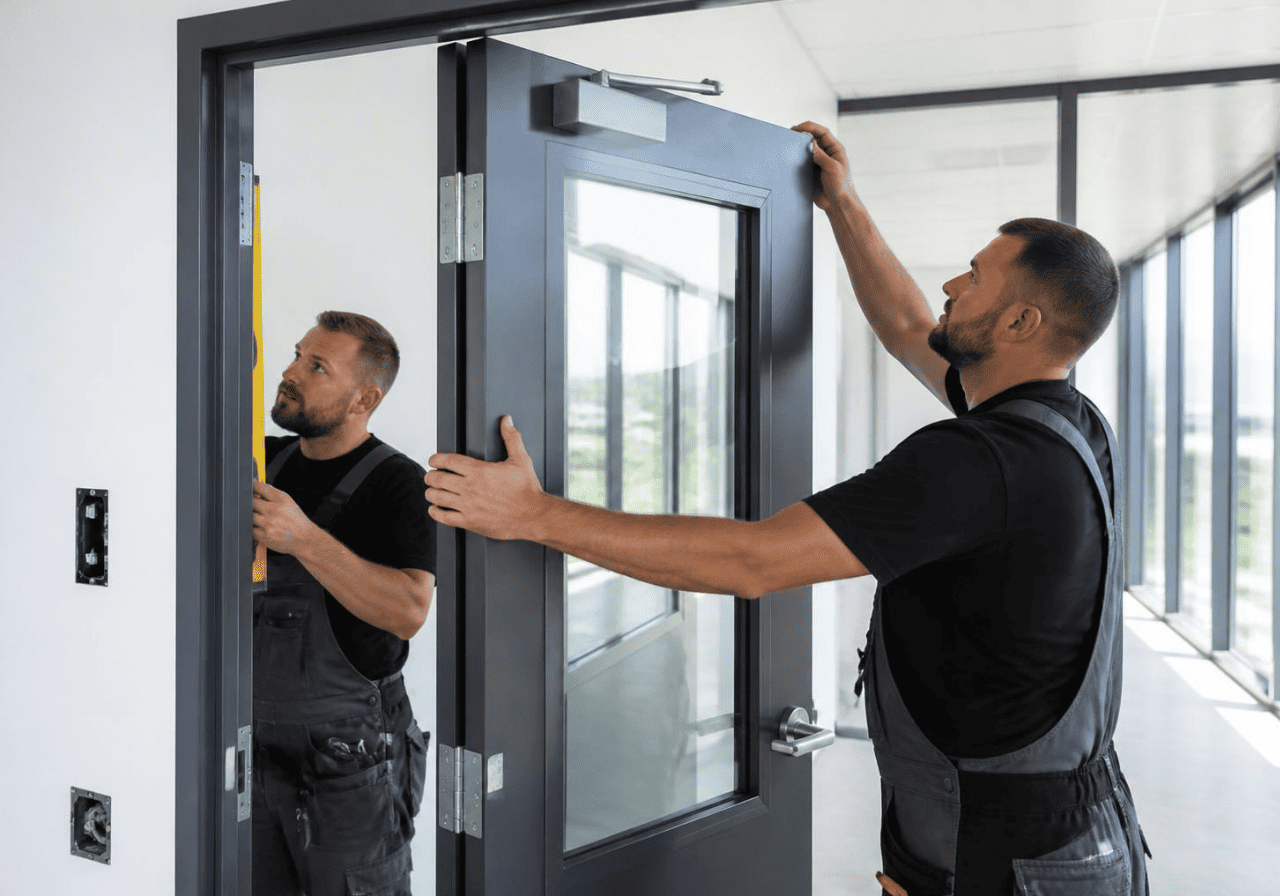
Fire door maintenance keeps fire doors ready to perform when people need them most. A fire door can slow the spread of flames and smoke. It can also protect escape routes during an emergency. Many property owners and managers know their buildings need fire doors. Yet they may not know if the doors still work correctly. A damaged closer or worn seal can reduce protection. An open or poorly fitted door can create further risk. This guide explains why maintenance matters. It covers the main parts of a fire door. It also explains common faults and practical steps for safer buildings in London.
Why Is Fire Door Maintenance Important?
Fire doors form part of a building’s passive fire protection. They help contain fire in one area. This gives people more time to leave safely. It also gives emergency services more time to respond. A fire door only works when the full door set works as intended. The door leaf is important. So are the frame, hinges, seals, closer, latch, glazing and hardware. One damaged part can affect the performance of the complete assembly. The Regulatory Reform (Fire Safety) Order 2005 places duties on the Responsible Person. This means the person who controls the premises or has responsibility for fire safety.
Understanding Fire Doors and Their Maintenance
Fire door servicing entails much more than simply cleaning the surface or tightening one screw. This process includes testing the whole system of the door to see if it works.
This can include:
- Door leaf and door frame assessment
- Closer and lock test
- Hinges and fixings inspection
- Assessing intumescent seals
- Assessing smoke seals and glazing
- Assessing for any openings or damage
- Recommendation for repair/replacement
Intumescent seals are substances that swell when heated. They serve to seal the gap between the door and doorframe. Smoke seals help limit the movement of cold smoke before a fire reaches high temperatures. A fire door may have an FD30 or FD60 rating. FD30 means the door is designed to provide fire resistance for around 30 minutes. FD60 refers to around 60 minutes. The correct rating depends on the building design and fire strategy. A visual check does not take the place of an inspection. The visual inspection does not replace a professional inspection. Staff may report obvious damage. A trained inspector can assess the full door set and provide a clear action plan.
Key Factors to Consider
A safe programme must match the building. It must also reflect how people use the property.
- Start with the risk profile: Your fire risk assessment should guide the inspection schedule. A busy hotel may need more frequent attention than a low traffic office.
- Review the full door set: Do not inspect only the door leaf. Check the frame, seals, hinges, closer, latch, glazing, and surrounding wall.
- Use compatible parts: Seal, hinge, and closer replacement must match the fire door configuration. Unapproved parts can affect the tested performance.
- Follow building-specific duties: In relevant multi-occupied residential buildings over 11 meters in England, communal doors need review every three months. Flat entrance doors need review every year.
Common Fire Door Problems
Regular fire door checks can reveal small faults before they become serious. Property owners and managers should pay attention to the following problems:
- The door does not close fully: A weak or damaged closer may leave the door partly open. The latch may also fail to engage.
- Excessive gaps appear: A large space around the door can enable the passage of smoke and heat. This can be caused by movement of the door or improper fitting of the door.
- Seals are missing or damaged: Torn seals cannot provide the protection expected from the door set. Painted-over or loose seals also need attention.
- Hinges and fixings become loose: Loose screws can affect alignment. Damaged hinges can stop the door from closing smoothly.
- The door has been altered: Unapproved glazing, drilling, signage, or hardware can affect the original certification.
- The door is wedged open: A fire door cannot protect an escape route when people hold it open. Staff and residents need clear guidance on safe use.
Best Practices for Fire Door Maintenance
A practical programme helps keep work organised. It also gives the Responsible Person clear evidence of action.
- Create a door register: Record each door location, rating, condition, and inspection date. Number each door distinctly.
- Set a risk-based schedule: Based on the building use, occupancy, and past findings, determine the period for inspection. Prioritise heavily used locations.
- Check after damage or alterations: Schedule a new review following construction that has affected the hardware of the door.
- Record clear findings: The reports must point out where the problem is, its risk factor, recommended course of action, and whether the problem has been resolved or not.
- Repair without delay: Prioritise faults that affect closing, seal gaps, or the stability of the door. Use a competent professional for technical repairs.
- Train building users: Explain why doors must remain closed. Tell staff and residents how to report damage or faults.
Why Choose Griol?
Fire door compliance becomes easier to handle when the results of inspections lead to action.
Griol offers:
- Professional inspection and reporting
- London-focused service
- FDIS certified inspectors
- Support for landlords and property managers
- Inspection, installation, maintenance, and repair services
- Clear recommendations based on the condition of each door
Griol can also help determine whether a door needs repair or replacement. This gives clients a more practical route to safer buildings.
Conclusion
Fire door maintenance protects people, property and escape routes. It helps ensure that the door system is functioning properly. It also helps the property management team fulfil its fire safety responsibilities. Owners and property managers should monitor all doors. They should ensure that assessments are conducted depending on risk. Problems should be fixed promptly. Griol provides professional fire door inspection, maintenance, repair and installation services in London. Contact Griol for more information and a professional quotation.
Frequently Asked Questions
1. What does maintaining a fire door involve?
It involves reviewing the door leaf, frame, seals, hinges, closer, latch, glazing, and hardware. The schedule should match your fire risk assessment and the use of the building.
2. Why are fire door checks important?
Fire door inspections can find issues that may not necessarily be visible. These include cracked seals, inadequate gaps, improperly hung doors, and doors that do not close completely.
3. How often should fire door servicing be carried out?
It depends on the type of building and the level of risk. Occupancy and previous inspection results also matter. There are specific review intervals for relevant residential buildings over 11 metres in England.
4. How much does this service cost?
The price of fire safety London services depends on various factors, such as the size of the property and the number of doors. The condition of the property and the work required are also considered.
5. How does Griol support fire door compliance?
Griol checks fire doors, records anything that needs fixing, and provides recommendations for improvement. The team can also help with fire door repairs, replacements, maintenance, and installations.